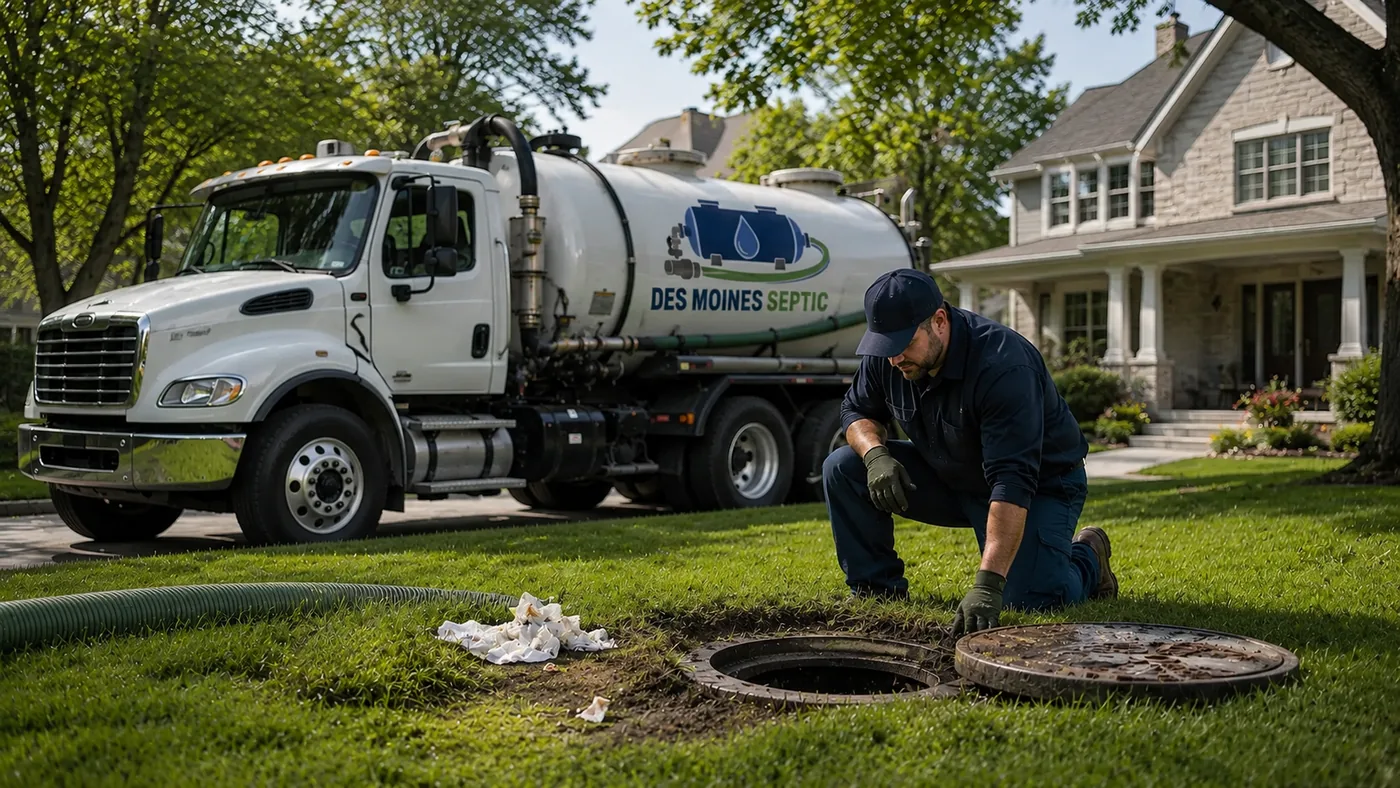
A septic system is one of the few things on your property that quietly does its job for years, right up until the day it doesn't. And when it fails, the bill is rarely small. A routine pump-out in the Des Moines metro runs a few hundred dollars. A failed drain field can run well into five figures. The gap between those two numbers usually comes down to a handful of avoidable habits.
Most septic problems are not bad luck. They trace back to the same short list of mistakes Iowa homeowners make again and again, often without realizing the damage is adding up underground. Below are the seven that cost the most, why each one is so expensive, and exactly how to avoid it.
1. Skipping Routine Pumping
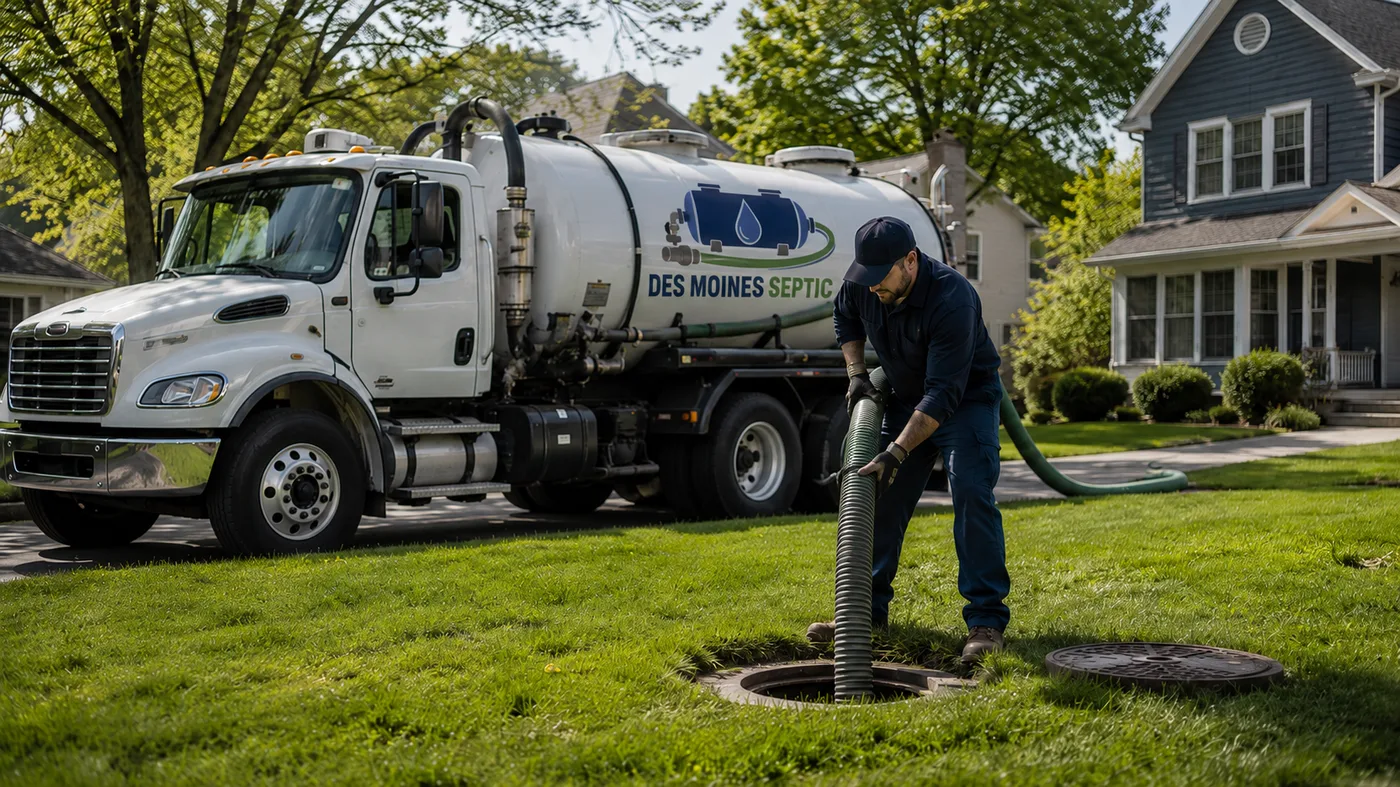
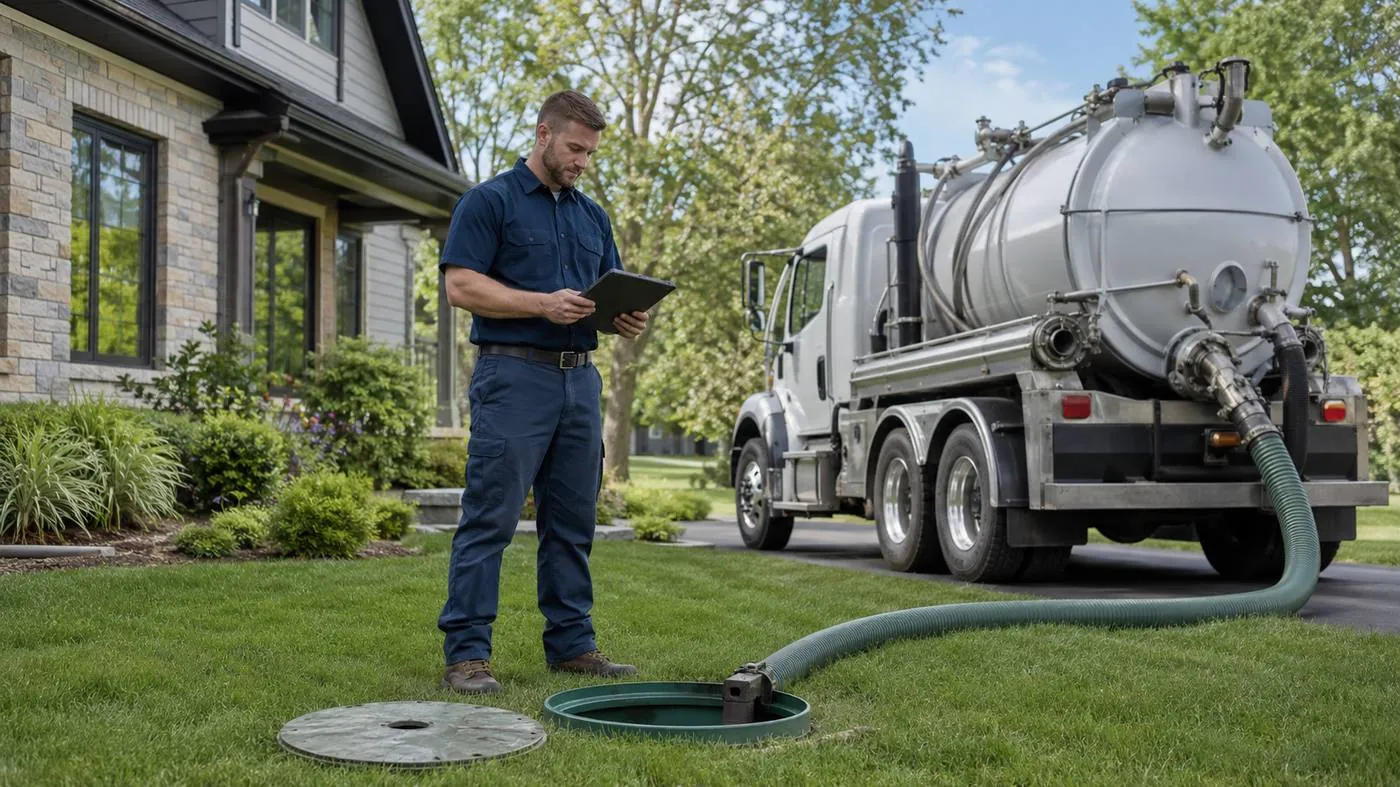
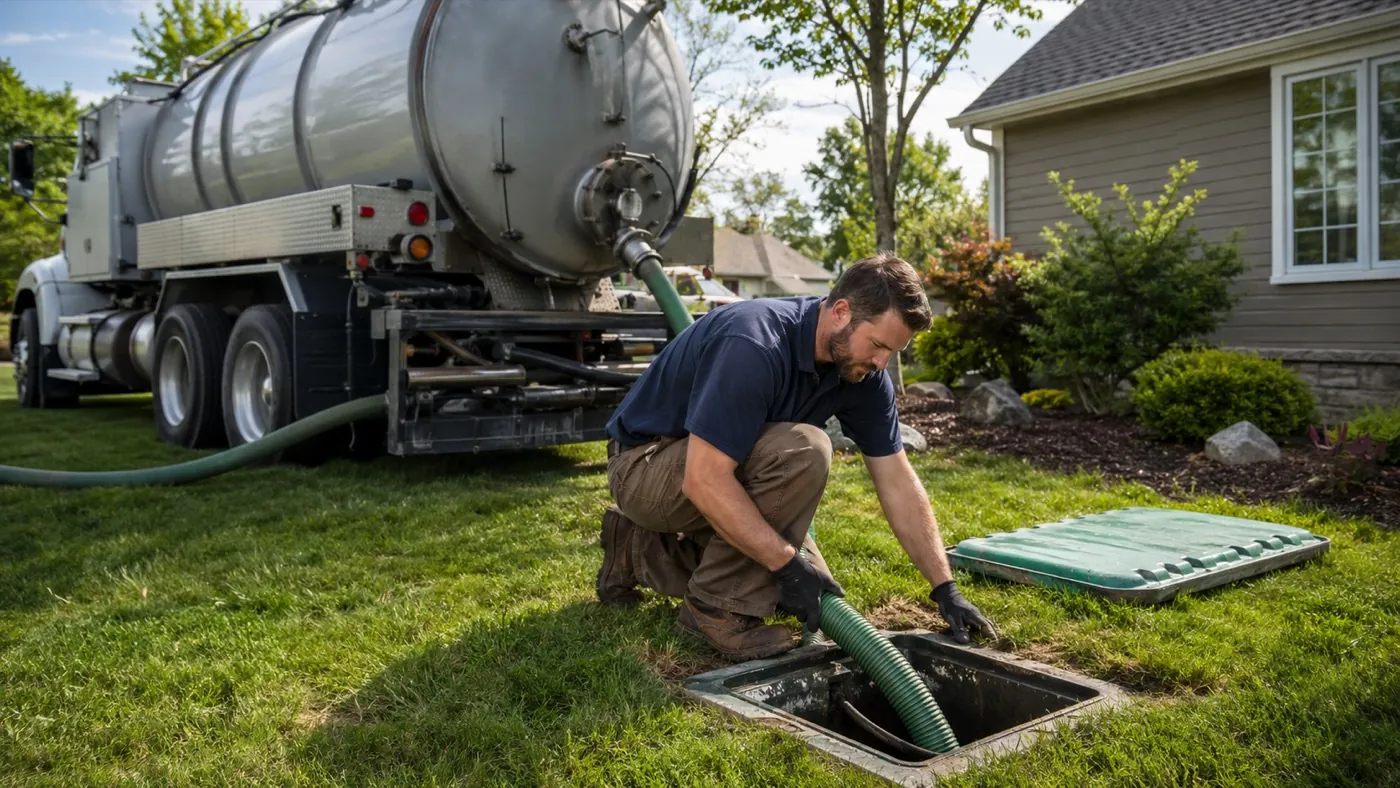
This is the single most expensive mistake, and it's the most common. Your septic tank separates solids from wastewater. Solids settle to the bottom as sludge, grease floats to the top as scum, and the relatively clear water in the middle flows out to the drain field. Over time the sludge and scum layers build up. If you never pump, those solids eventually push out into the drain field and clog it.
Here's why that matters: pumping a tank is cheap and routine. Replacing a clogged drain field is one of the most expensive repairs a homeowner can face, often running into the thousands and sometimes far more. The EPA recommends having a typical household system inspected at least every three years and pumped every three to five years. A tank should be pumped when the bottom of the scum layer is within six inches of the outlet, the top of the sludge layer is within 12 inches of the outlet, or sludge and scum together fill more than 25 percent of the tank.
In Iowa, the right interval depends on your tank size, how many people live in the home, and your water habits. We break the math down in our guide to how often you should pump your septic tank in Iowa. The point is simple: pumping is the cheapest insurance you can buy for your system.
2. Treating the Toilet and Drains Like a Trash Can
Your septic tank relies on bacteria to break down waste. The system is built to handle exactly three things: human waste, toilet paper, and water. Almost everything else either won't break down or actively harms the tank.
The EPA's list of things you should never flush includes "flushable" wipes (which are not actually flushable), feminine hygiene products, diapers, paper towels, dental floss, cat litter, coffee grounds, cigarette butts, condoms, and pharmaceuticals. These items don't decompose. They pile up as solids, fill the tank faster, and can clog the pipes between the house and the tank.
The fix is a rule worth taping inside the cabinet: if it isn't toilet paper or something your body produced, it goes in the trash, not the toilet. Garbage disposals deserve special mention here. Every bit of food waste you grind up adds to the solids load and shortens the time between pump-outs. If you have a disposal and a septic system, use it sparingly.
3. Pouring Grease, Chemicals, and Drain Cleaners Down the Drain
What you pour down the kitchen and bathroom drains matters just as much as what you flush. Two categories do the most damage.
Grease and cooking oil. Hot grease goes down as a liquid and hardens into a clog as it cools. Over time it coats the inside of pipes and floats as a thickening scum layer in the tank, reducing capacity and eventually finding its way to the drain field. Pour cooled grease into a can and throw it away.
Harsh chemicals. Chemical drain openers, large volumes of bleach, solvents, paint, and pesticides all kill the bacteria your tank depends on. The EPA warns against pouring chemical drain openers and household toxins into any drain that leads to a septic system. When you wipe out the bacterial colony, solids stop breaking down and the whole system slides toward failure. For a slow drain, use a drain snake or boiling water before you ever reach for a chemical cleaner.
Not sure when your tank was last pumped? That's the most common reason Des Moines homeowners end up with a surprise backup. We offer flat-rate pumping quotes by phone and same-day service for most metro addresses called in before noon.
4. Relying on Additives Instead of Pumping
Walk down the cleaning aisle and you'll find packets and bottles promising to "feed" your septic tank, dissolve solids, and let you skip pumping. They are one of the most profitable myths in the home-care market, and they don't work.
NC State Extension puts it plainly: additives, whether biological or chemical, "have not been shown to have any beneficial effect on the solids in the tanks or system in general. For this reason, they are not recommended." A healthy tank already contains all the bacteria it needs. Some chemical additives are worse than useless, because they can pass solids straight through to the drain field or corrode tank components.
No additive removes the sludge layer from your tank. Only a pump truck does that. If a product promises to replace pumping, treat it as a red flag, not a solution.
5. Overloading the System With Water
A septic system can only process so much water at once. Most Iowa systems are designed around roughly 120 gallons per bedroom per day, and the EPA notes that the average person uses as much as 70 gallons indoors daily. Push too much water through too fast and you flush solids out of the tank before they've had time to settle, sending them straight to the drain field.
The usual culprits are running every appliance at once, marathon laundry days where five loads run back to back, and silent leaks. A single running toilet can waste up to 200 gallons a day, all of it landing in your tank. Spread laundry across the week, fix drips and running toilets quickly, and consider high-efficiency fixtures. Spacing out your water use is free and it directly extends the life of your drain field.
6. Driving Over, Paving, or Planting on the Drain Field
The drain field is the most fragile and most expensive part of your system, and it's easy to forget it's there because it sits under the lawn. Three things damage it.
- Weight. Driving or parking vehicles over the drain field, or building a shed or patio on top of it, compacts the soil and can crush the buried pipes. NC State Extension is direct: do not drive or build over any part of your septic system.
- Tree and shrub roots. Roots seek out the moisture and nutrients in a drain field and will infiltrate and clog the pipes. The guidance is to keep trees and shrubs at least 25 feet away from the field.
- Extra water flowing in. Roof downspouts, sump pump discharge, and surface runoff aimed at the drain field saturate the soil so it can no longer absorb effluent. Direct all of that water elsewhere.
Know where your tank and field are, keep them clear, and treat that stretch of yard as off-limits to vehicles, structures, and trees.
7. Ignoring Warning Signs and Skipping the Iowa Inspection
Septic systems almost always warn you before they fail. Slow drains throughout the house, gurgling toilets, sewage odors near the tank or field, and a patch of grass that's suddenly greener and lusher than the rest of the yard are all early signals. Our guide to the signs your septic tank needs pumping walks through each one. Catching a problem at the "slow drain" stage costs a fraction of what it costs once raw sewage is surfacing in the yard or backing up into the basement.
There's also an Iowa-specific reason not to ignore your system. State law requires a Time of Transfer inspection before most property sales, and a system that fails inspection can derail a closing or force an expensive last-minute repair. If you might sell within the next few years, it pays to know your system's condition now rather than under deadline pressure. See our breakdown of the Iowa Time of Transfer septic inspection, and the Iowa DNR Time of Transfer rules for the official requirements.
One More Iowa Factor: The Freeze
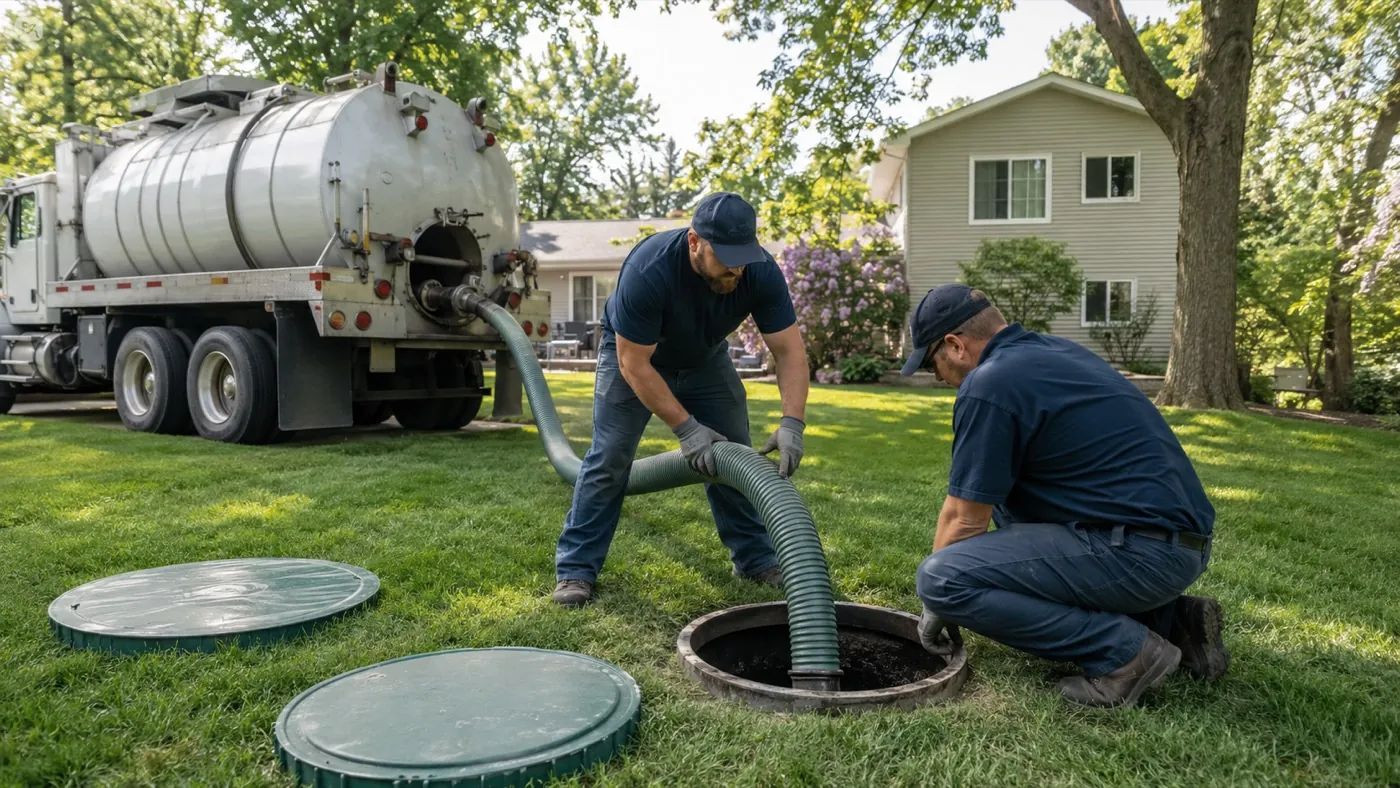
Iowa winters add a wrinkle the generic septic advice online ignores. The frost line in Des Moines runs about 42 inches deep according to National Weather Service Des Moines climate data. Shallow pipes, risers, and parts of the drain field can freeze if there isn't enough warm wastewater flowing through to keep them thawed, which is why systems at vacation homes and snowbird properties are especially vulnerable. Leaving for an extended stretch in January without a plan is its own quiet mistake.
What These Mistakes Have in Common
Every item on this list is cheaper to prevent than to fix. Pumping on schedule, keeping the wrong things out of the tank, protecting the drain field, and acting on early warning signs are all low-cost habits. Skipping them is what turns a routine service call into a drain field replacement.
If you're not sure where your system stands, the safest move is a professional inspection and a pump-out if you're due. We provide septic tank pumping, repair, and 24/7 emergency service across Des Moines, West Des Moines, Ankeny, Waukee, Norwalk, and the surrounding metro. Call (515) 303-4896 or request a free estimate online.